What's it like living in rural Japan as a homesteader?

What's it like living in rural Japan as a homesteader?
Rural Japanese homesteading can be rewarding and communal, but it demands constant upkeep, local participation, practical Japanese, and realistic income plans.
A Yamanashi homesteader describes large gardens and strong village cooperation.
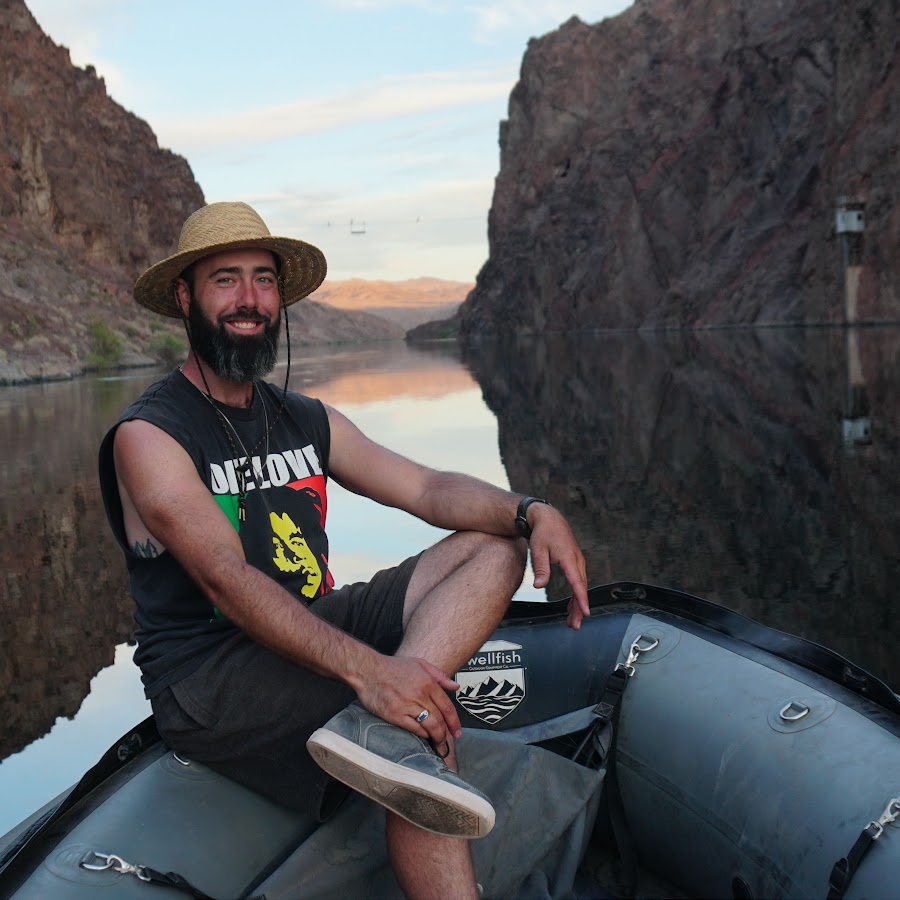
Rupert says he earns below minimum wage and stresses village participation and cultural learning.

Mika lives with her partner in a rented rural vacant house.
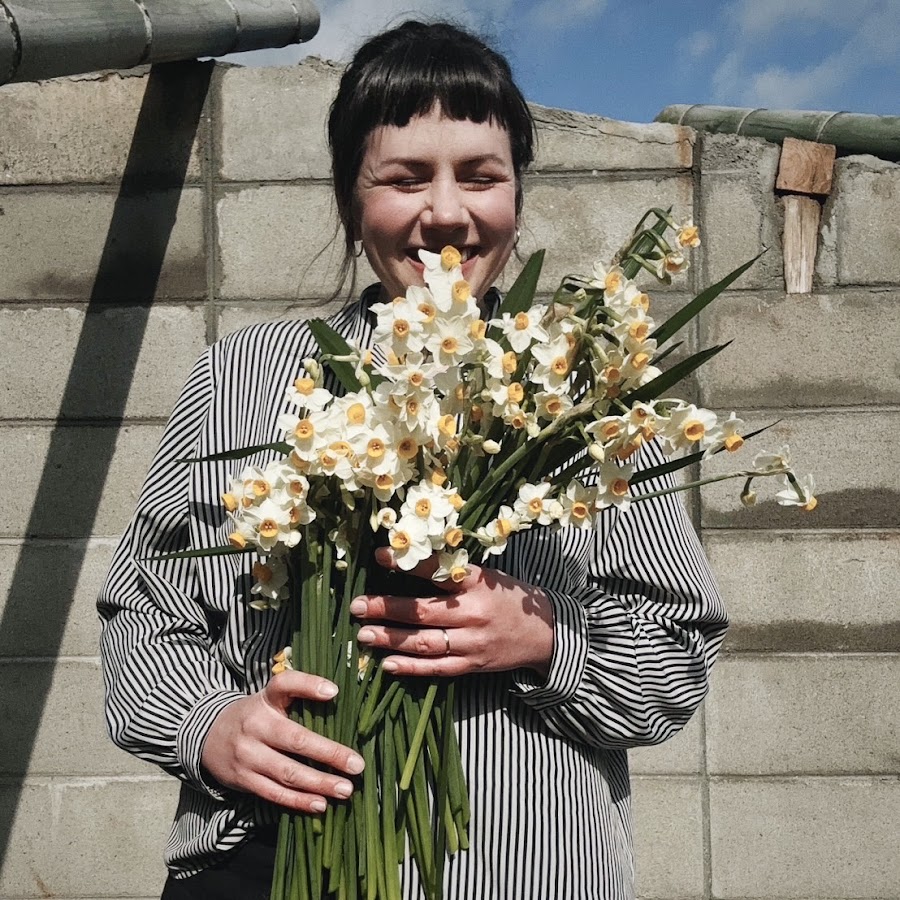
A homesteader reports installing solar storage, rainwater collection, and a kitchen garden over eight months.

Living alone in rural Chiba, Lexi Smith finds peaceful traditions and pays about $238 monthly rent as an English teacher.

A mountain resident describes winter routines, shopping, cooking, and living in a remote home with limited heating.
Canadians living in rural Shikoku describe their akiya house and springtime routine among flooded rice fields.

In 2026, the family moved to rural Hokkaido to grow food, homeschool, and live among generous neighbors and nearby brown bears.

The resident describes the surrounding countryside as his kingdom and points out his isolated home.

She wakes, does household chores, bikes to work, shops for groceries, and cooks dinner in rural Kochi.
After moving to Omishima Island in February 2023, the couple began restoring an abandoned home and starting a small farm.

An $8,000 traditional farmhouse reaches about −12°C in winter, while its residents grow vegetables and adapt the home for heating.
After leaving New York City, the vlogger moved to Shikoku and is building a self-sufficient life in a traditional farmhouse.
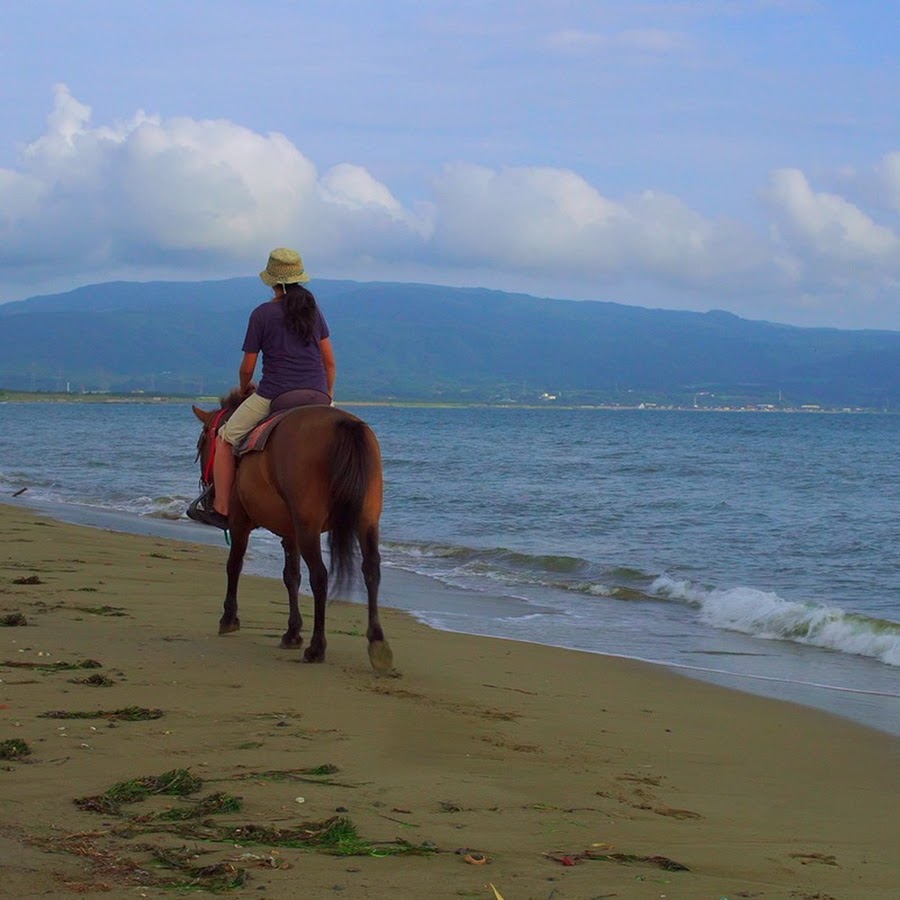
Seasonal routines include pasture trips, electric-fence training, livestock care, and mountain work for a self-sufficient family on Sado Island.
With no electricity or drainage, the couple uses composting toilets, small-scale power, gardens, and constant maintenance on their Japanese homestead.
In late 2021, Mika and Jesse moved into an abandoned house in remote Shikoku and began turning it into their home.

Rice paddies, frogs, and forested schools shaped the speaker’s firsthand childhood in rural Aomori, Japan.
Daily life means growing vegetables, grains, and rice while enjoying exceptionally fresh air and food, the speaker says.
After leaving Tokyo, the family moved to a bamboo-covered rural property in winter 2019 to begin their off-grid homestead.
A woman lives simply in rural Japan, balancing self-sufficient routines, village work, snow clearing, and community meals.
Thomas homesteads near Hiroshima, growing citrus, using sheep and a pig, and running a CSA market garden.
After buying basmati rice, the speaker plans to get vegetables before crossing the river and returning up the mountain.
Rui keeps a goat and four chickens, grows vegetables, and finds rural Nagasaki more hands-on than Tokyo living.
Four hours daily over two months went into restoring a rice field, with morning patrols to manage water levels.

Owning countryside land in Nikko reveals how rural Japan differs from Tokyo’s metropolitan areas.
After three visits, they secured a rural promotion job and found a rental house through local connections.

Wider roads, greenery, grave care, and family traditions shape this firsthand account of rural Japanese life.

Stable local income is scarce, so residents are developing farming, beekeeping, and charcoal production to sustain the island.
After buying a dense mountain forest, the resident cleared it and now farms and plants trees freely.

Rural living attracts many newcomers, but empty homes, cheap prices, and idyllic conditions can make it seem overly romantic.